Your card works at a shop. A few minutes later, a transport machine asks for cash. Both experiences can happen on the same day in Korea. Bring a physical payment card and a small reserve of Korean won, and treat transport as a separate decision.
The useful question is not whether Korea is cashless. It is which payment you are trying to make: buying something, buying a ticket, or adding money to a transport card. Those are different transactions.
Use your card for shopping; keep cash for exceptions
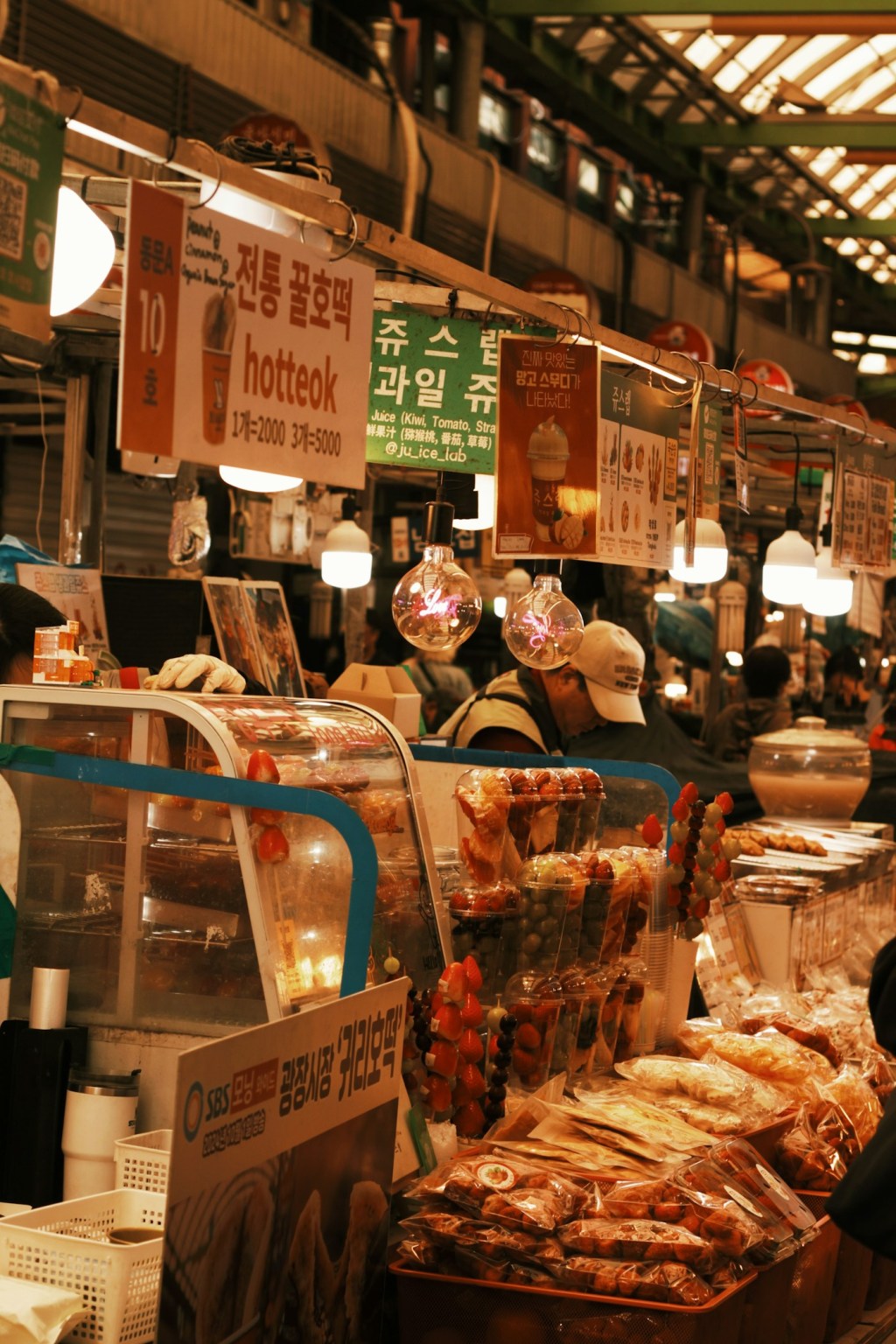
The Korea Tourism Organization says major cards are accepted at most stores, while some market vendors and street shops may accept only cash. That makes a card a sensible everyday option, with won for smaller purchases that fall outside it. Acceptance at one business does not establish acceptance at the next. Source: KTO’s shopping guide.
Before ordering, ask “카드 돼요?” (kadeu dwaeyo? — Can I pay by card?). It is a short question worth saving on your phone. If cash is required, establish the total before the seller starts preparing your order.
There is no useful universal cash amount for every visitor. Make a small list instead: your planned transport top-up, any cash-only food stops, and a backup amount you are comfortable carrying. Someone staying near a station and eating in restaurants has a different first day from someone browsing a market.
A foreign bank card is not automatically a transit card
KTO’s transport payment chart distinguishes ticket purchases from tapping a foreign card at a gate or bus reader. For ordinary physical Tmoney purchases and top-ups at convenience stores and stations, it lists cash and says foreign-issued cards are not accepted. Plan to have won ready for that task. Source: KTO transport payment chart.
Picture your arrival as three steps: choose the transport product, buy or load it, then use it to travel. A payment logo on a ticket machine answers the second step. It does not mean your bank card can replace the ticket at the gate.
The Seoul exception that older advice can miss
Seoul announced international-card payments for short-term Climate Cards and single-journey tickets at upgraded machines on Lines 1–8 from March 17, 2026. This does not establish foreign-card top-ups for ordinary Tmoney. The city also reports a service fee for international-card transactions; inspect the total on screen before confirming. Source: Seoul’s announcement.
Some tourism pages still give conflicting blanket advice about Climate Card payments. The newer KTO transport chart also identifies international-card acceptance at the new machines. Use the instructions for the specific machine and product in front of you, rather than assuming that every station machine has the same options.
Do not choose a pass only because it is easier to pay for. First check whether its current coverage includes your actual journeys. A plan involving travel outside Seoul needs particular care. This guide explains payment preparation, not which pass will save you the most money.
Set up a calm first day
Keep your physical card accessible, put your cash somewhere separate, and write down the name of the transport product you intend to buy. Before joining a machine queue, identify whether you need a new card, a top-up, or a single ticket.
If payment fails, ask whether another payment method is accepted before repeatedly trying the same transaction. Keep a record of any apparent charge so you can distinguish a completed purchase from an unsuccessful attempt.
Finally, save your accommodation address and route before leaving the airport. Our Korea travel app guide covers the navigation preparation that belongs alongside your wallet check.
Sources checked November 26, 2026. Payment support can change by product and machine. Photo: Zeynep S. / Unsplash, used under the Unsplash License. The photograph illustrates Mangwon Market; it does not establish the stall’s accepted payment methods.

